Terrasson in one day
Gateway to the Périgord Noir and the Vézère Valley, a UNESCO World Heritage Site, Terrasson-Lavilledieu invites you to enjoy a full day discovering remarkable heritage, historic streets, viewpoints, gardens, fountains and riverside walks.
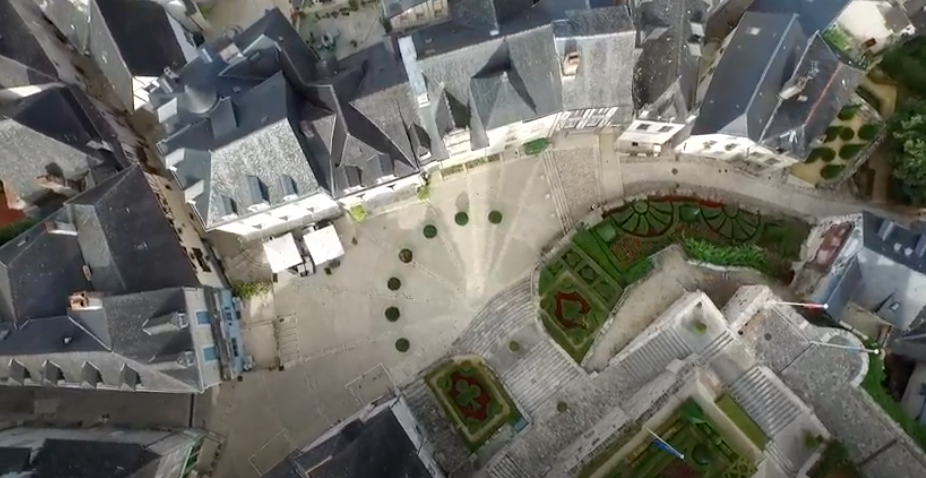
Highlights of the old town
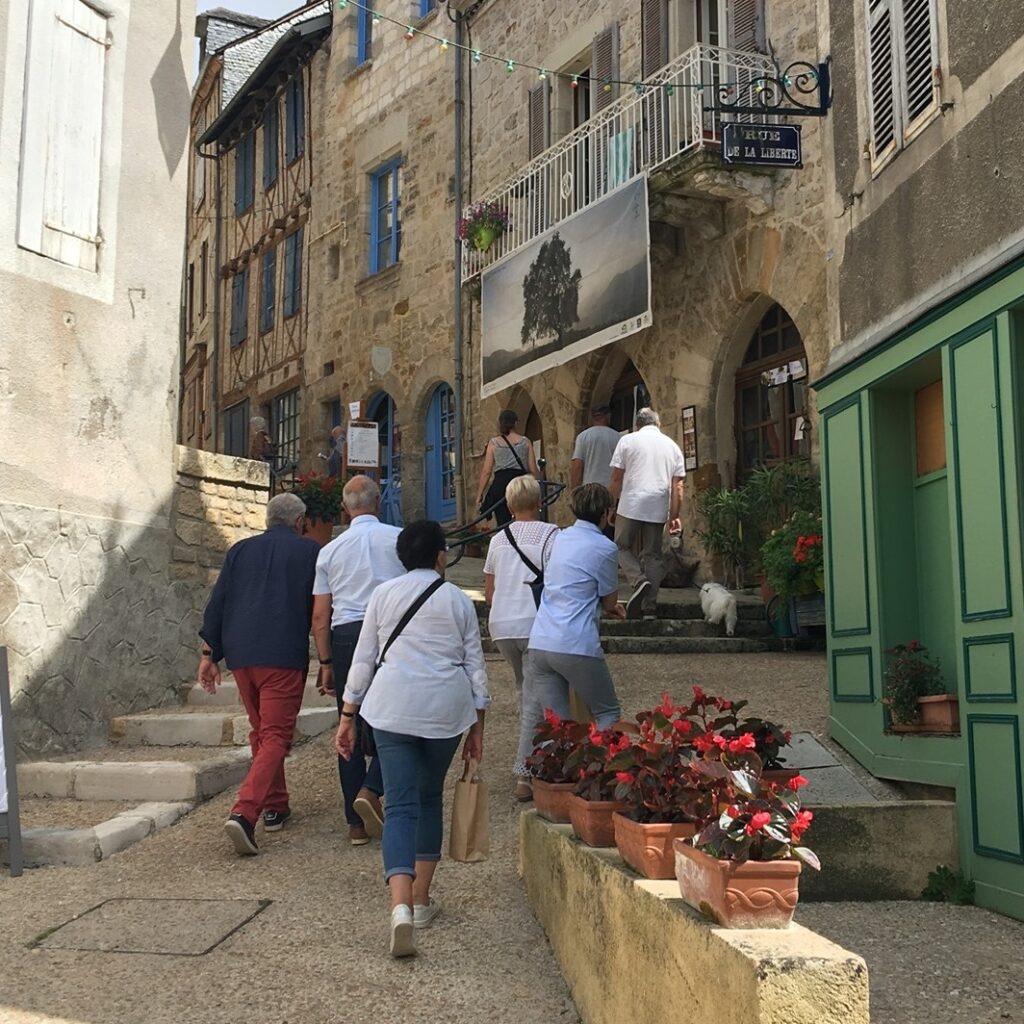
The historic shops of the old town
In the heart of the historic centre, the traditional shops of the old town welcome visitors in a lively and charming heritage setting, perfect for extending your walk through Terrasson.
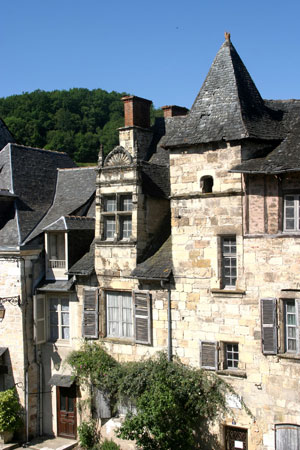
Place du Conventionnel Bouquier
In the centre of old Terrasson, this square showcases restored heritage buildings, including the Renaissance house associated with Gabriel Bouquier, listed as a historic monument.
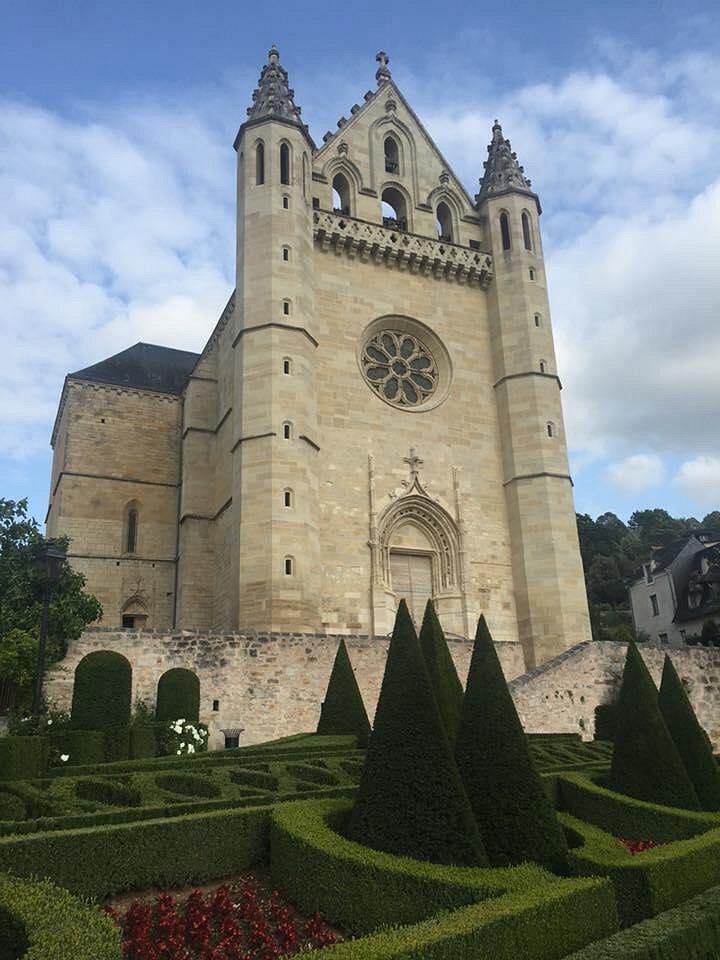
Saint Sour Abbey and religious heritage
The abbey church of Saint Sour holds an important place in Terrasson’s history. Its origins go back to an early monastic foundation traditionally attributed to Sorus in the 6th century. Fortified, rebuilt and restored several times, it still preserves a remarkable flamboyant Gothic portal, beautiful stained-glass windows dedicated to Saint Sour and a strong historical presence in the town.
Archaeological excavations have also revealed older remains, confirming the historical significance of the site.
The Malpas cliff
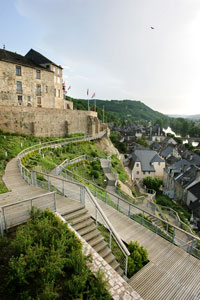
The Malpas cliff is one of the most spectacular sites in Terrasson. Stretching over 300 metres in the heart of the town, it overlooks the Vézère and now offers an elevated walkway open to the public after major safety and landscaping works.
Around 200 million years old, this fragile sandstone cliff long represented a risk of collapse. A major emergency programme launched in 2003 made it possible to secure the site and transform it into one of the town’s most distinctive viewpoints and walking areas.
The Old Bridge
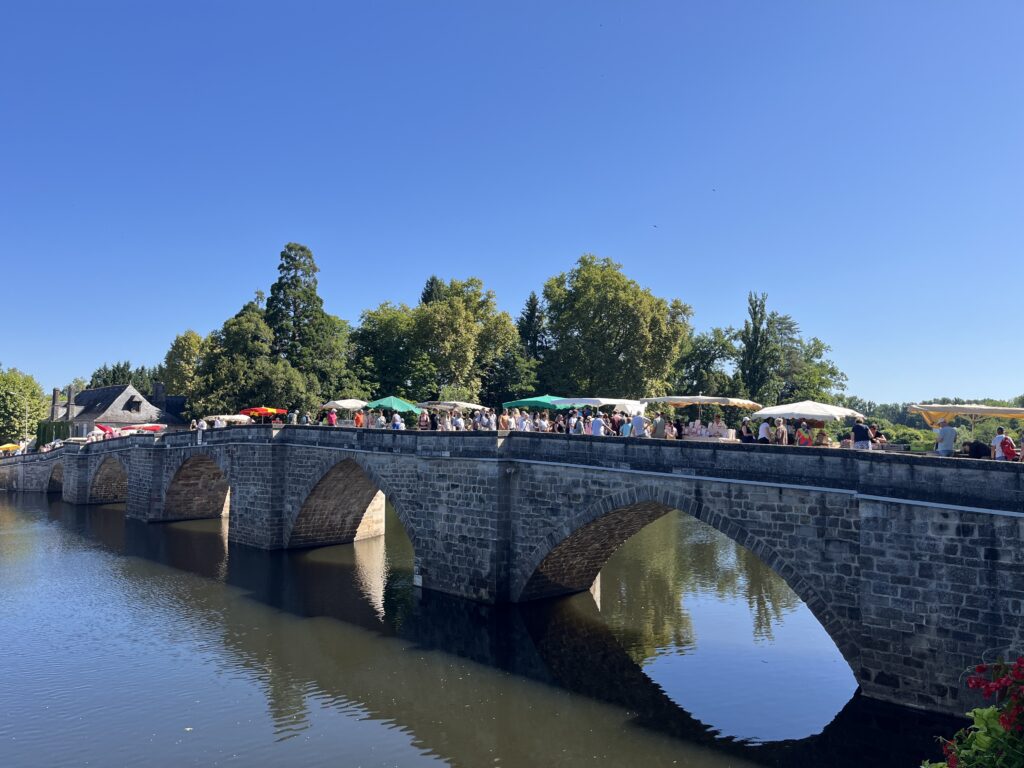
The first stone bridge to cross the Vézère, the Old Bridge is believed to have been built in the 12th century by Benedictine monks. With its Romanesque and pointed arches, humpback shape and projecting cutwaters designed to break the current, it is one of the town’s most distinctive landmarks.
Measuring 104 metres in length with six arches, it remains a lively place, especially on Thursday mornings during the weekly market, one of the best known in the Périgord.
Historic-inspired gardens
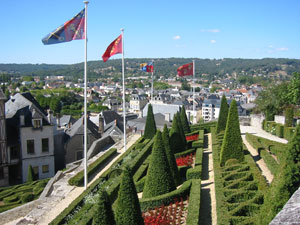
Facing the Gardens of the Imagination, in the heart of the old town, these gardens evoke the great styles of past centuries, especially the Baroque and 18th-century inspirations. They extend the visit in an elegant and refined atmosphere.
The fountain trail
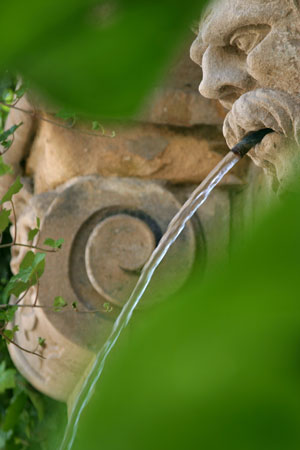
Terrasson can also be discovered through water. Ten fountains mark out the town and invite visitors on an original walk, complemented by springs, washhouses, troughs and of course the Vézère itself.
The Saint Sour fountain, located at the foot of the church of the same name, is particularly remarkable. Set against the embankment leading to the Gardens of the Imagination, it features sculptures inspired by Jean-Baptiste Carpeaux and a pediment shaped like a gendarme’s hat.
In season, these fountains bring freshness and rhythm to a walk through the old town.
The cluzeaux
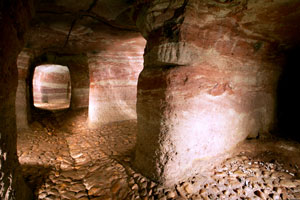
A true curiosity of Terrasson, the cluzeaux are man-made cavities carved into the rock. Around a dozen are recorded in the town. Mysterious, damp and often featuring a water source, they may have been used to store goods or to provide shelter during troubled times.
Their exact date remains uncertain, but they contribute to the strong sense of mystery surrounding the old town. Visits are by reservation only, as part of guided tours.
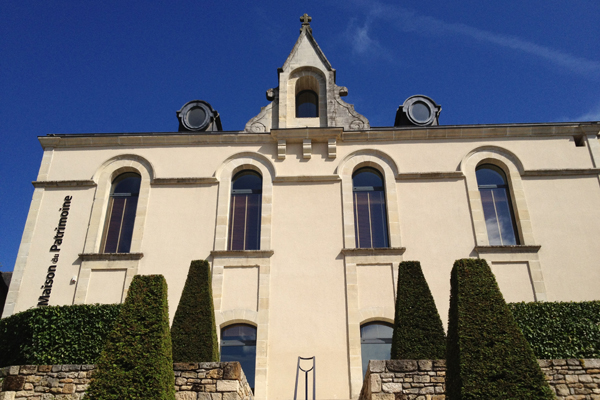
The Heritage House
The Heritage House offers an introduction to the history of the Terrasson area and the smaller heritage of the Périgord Noir through permanent and temporary exhibitions.
- Wednesday to Sunday
- 2.00 pm to 6.30 pm
- Free admission
- Rue du Couvent, opposite Saint Sour Church
- Tel. +33 (0)5 53 50 80 48
200 km of walking routes
Around Terrasson, more than 200 km of paths allow visitors to discover the Vézère, its tributaries, hamlets, hills, woodlands, walnut groves, truffle areas and wide panoramic views over the region.
These routes also reveal a rich rural heritage: washhouses, bread ovens, crosses, chapels and traditional houses, not to mention local know-how linked to walnuts, foie gras and truffles.